

Sanctum is also set to double airdrop rewards to that patient and wants its token sale to be as stable and sustainable as possible following the series of airdrop fiascos.
This outreach method is a great way to attract users and get tokens for DeFi projects that are seen by the public.
Recently, initial token sales, a favourite among traders, have become parameters new tokens need to struggle to achieve. Some recent airdrops have seen a drastic drop in token value as soon as they are in circulation.
The current situation has been blamed on several factors, including airdrop Sybil attackers and problems within the projects themselves.
Controversies Surrounding Airdrops
Sanctum, a liquid staking protocol built on Solana, wants to avoid the issues caused by recent airdrops.
The token distribution will occur on July 18th through an airdrop, and participants with a stake in the project can opt for it.
They can cash out their tokens for the chance to either sell them or double their initial stake.
“You can claim at any time and forfeit the rest of the bonus. For example, claiming the Earnestness component after 90 days will give you a 50% bonus,” FP Lee, the co-founder of Sanctum, pointed out in an X post that announced the airdrop information.
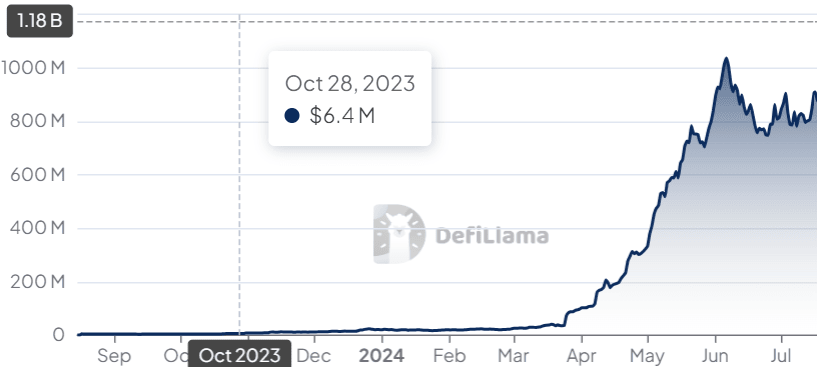
To avoid airdrop recipients selling the tokens immediately and ensuring that Sanctum sells enough tokens to investors for a stable and sustainable token launch, this approach of having the recipients hold on before claiming and selling their tokens can be implemented.
However, it is still unknown whether the airdrop recipients will hold their tokens till the maximum bonus duration. As Lee pointed out, waiting 6 months to get the maximum bonus is possible, but such a long time is a big no-no in the fast-paced crypto universe.
Navigating the Sanctum Airdrop Rewards Decision
Certain key factors necessitate a careful balance of token distribution strategies to strike the right chord in the context of DeFi. Such measures can be highly important for sales to early investors or through airdrops and can determine a project’s success.
However, Sybil attacks continue to pose a threat to decentralized finance, where malicious individuals create multiple wallets to represent engagement in airdrop for self-gain.
It has been observed that Sybil attackers are quick to cash out after airdrops, which often results in a sudden drop in the prices of newly released tokens. This is not a pleasant experience for genuine users.
In April, when the crypto bridge Wormhole launched its W token through an airdrop, it began at $1.33 but has since dropped by 71%.
Similarly, Ethereum layer 2 network ZKsync’s ZK token has lost around 32% since the June airdrop.
Despite accommodating Sybil’s attack countermeasures, LayerZero, a crypto bridge that airdropped its tokens, has sustained its token value.
Embracing Delayed Rewards
The two approaches adopted by Sanctum are as follows:. Making the airdrop recipients delay their claims requires their belief in the token value appreciation in the future and not by shorting the token price.
FP Lee from Sanctum also provided more information about the launch during the X Spaces stream.
Lee was talking about fully diluted valuation (FDV), which considers the total value of a specific token, including the locked or noncirculating tokens.
To avoid attaining a high, fully diluted valuation (FDV), Sanctum will ensure that investors’ demand determines the CLOUD token market price.
The project lists 50 million CLOUD tokens, representing 10% of its total token supply, to be sold at $15 each on Jupiter’s LFG launchpad. The initial trading price of the CLOUD token will depend on how many of the 50 million tokens investors will buy initially.
However, tokens purchased through the launchpad will be locked for six months before they can be sold.
Disclaimer: Cryptocurrency investments are considered high-risk and may result in a lack of capital; the facts provided are widespread, and beginners are not advised to spend money on shares.
